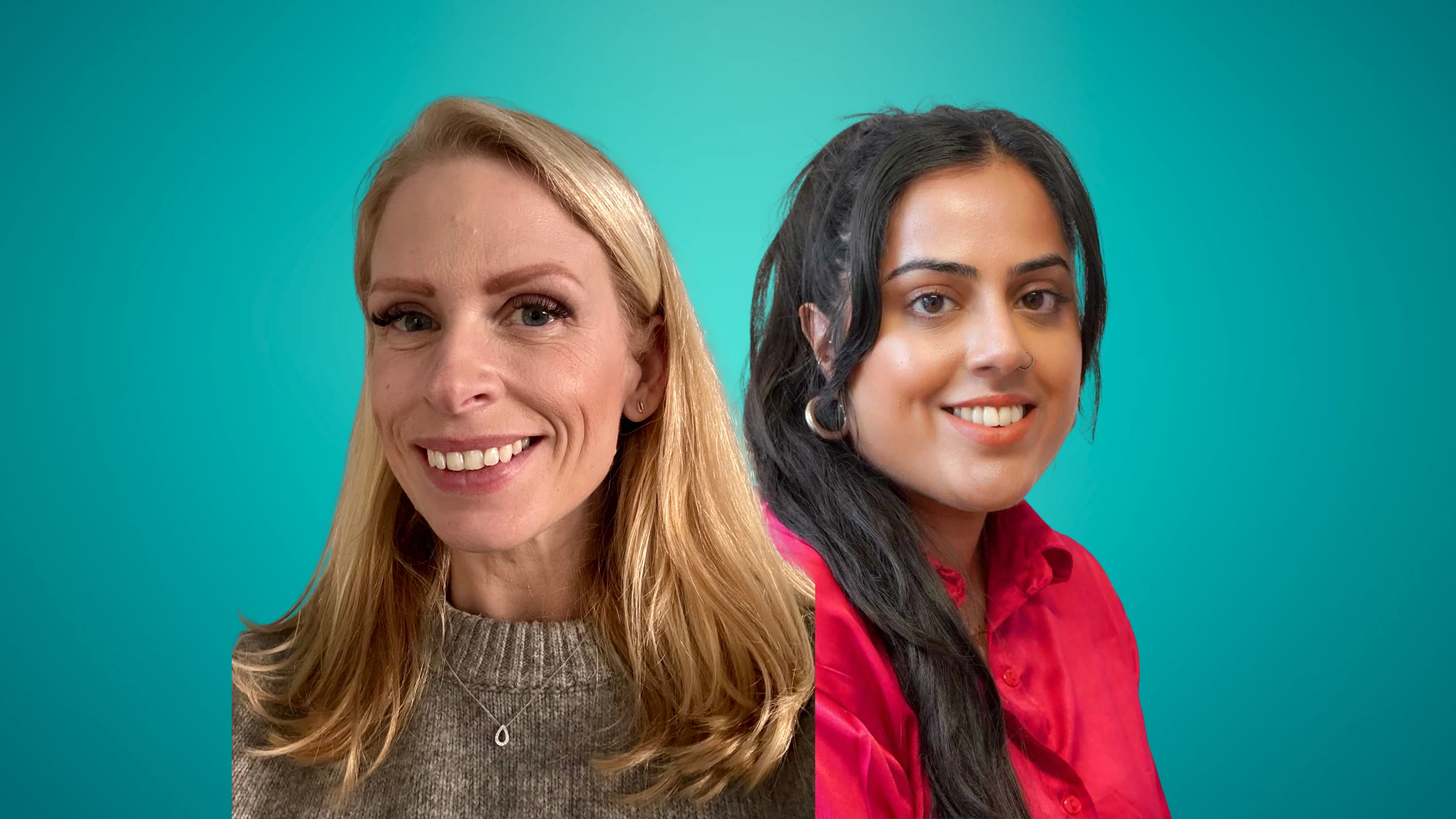
Lovedeep Rai, Karen Martin
CIRCL in Practice: Cultural Sensitivity in HSB work
Workshop Abstract
This workshop presents consultation panel data on Harmful Sexual Behaviour (HSB) within NHS services, alongside the introduction of an innovative conceptual framework designed to make HSB assessments more culturally informed and culturally sensitive. The CIRCL Model—Context, Identity, Relationships, Culture, Language.
Developed for use with diverse young people and families, the CIRCL Model strengthens the relational, reflective, and anti-oppressive dimensions of both consultation and assessment practice. CIRCL invites practitioners to pause before moving into intervention planning, encouraging curiosity, cultural humility, and an awareness of how systemic factors, identity-based experiences, relational dynamics, and linguistic patterns may shape both behaviour and professional interpretation.
The model aims to reduce bias, challenge assumptions, and promote sensitive practice by embedding intersectionality and cultural responsiveness into routine HSB work. In addition to guiding reflective conversations, the CIRCL Model complements structured HSB assessments by offering a lens through which risk, vulnerability, and behaviour can be understood with greater cultural and contextual understanding. By explicitly exploring stressors, cultural meaning-making, identity narratives, and language barriers, CIRCL supports practitioners to produce assessments that are proportionate, and culturally attuned, reducing the risk of over- or under-pathologising behaviour.
This workshop will explore how the CIRCL Model can be mapped onto AIM3 domains, enhancing the developmental, relational, strengths-based, and engagement components of AIM assessments. CIRCL strengthens formulation by understanding the developmental context, identity-based vulnerabilities, relational safety, cultural norms, and linguistic factors influencing engagement and our understanding.
Together, AIM3 and CIRCL form a complementary approach: AIM3 provides structure and an evidence-based framework, while CIRCL ensures interpretation is grounded in cultural humility and intersectional awareness. This workshop will be relevant to clinicians, safeguarding leads, social workers, and education professionals seeking to adopt more reflective, culturally informed, and anti-oppressive practices in the field of HSB.
About the Speakers
Dr Lovedeep Rai is a Senior Clinical Psychologist working within the Lewisham CAMHS Adolescent Resource Therapy (ARTS) Team, where she plays a key role in the specialist Harmful Sexual Behaviour (HSB) monthly consultation panel.
She has extensive experience working across the lifespan, including with adults presenting with complex trauma, personality difficulties, and forensic risk, which informs her systemic and trauma-informed approach to working with young people.
In her current role, Dr Rai provides expert consultation to multi-agency professionals, including social care, youth justice, and education services. Her work involves leading on case formulation, safety planning, and the application of specialist assessment frameworks such as the AIM3 model, informed by Hackett’s continuum of sexual behaviours.
Dr Rai adopts a developmentally sensitive and culturally attuned approach, ensuring that HSB referrals are understood within the wider contexts of identity, family dynamics, and systemic influences. She also contributes to monitoring panel activity and collecting feedback to strengthen the effectiveness of consultation and improve outcomes for young people and families.
Karen Martin, BSc (Hons) Psych is Deputy Director of AIM and a senior safeguarding practitioner, trainer, and consultant with over 20 years’ experience working in the field of child sexual abuse (CSA) and harmful sexual behaviour (HSB). Her practice spans youth justice, social care, residential services, and specialist HSB provision, bringing a depth of understanding of both frontline work and strategic service development.
Karen’s work is grounded in relationship-based, trauma-informed, and evidence-led practice, with a particular focus on assessment, formulation, and supporting professionals to think clearly and compassionately about risk, safety, and change. She has extensive experience in delivering training, supervision, and developing practice frameworks, and has contributed nationally and internationally to workforce development and service improvement in the HSB field.
She has a strong interest in how frameworks such as AIM3 can be applied flexibly and thoughtfully with diverse groups of adolescents, and how models such as CIRCL can enhance formulation, engagement, and intervention. As a facilitator, Karen brings a reflective, practice-focused approach, supporting participants to integrate learning into complex, real-world contexts.