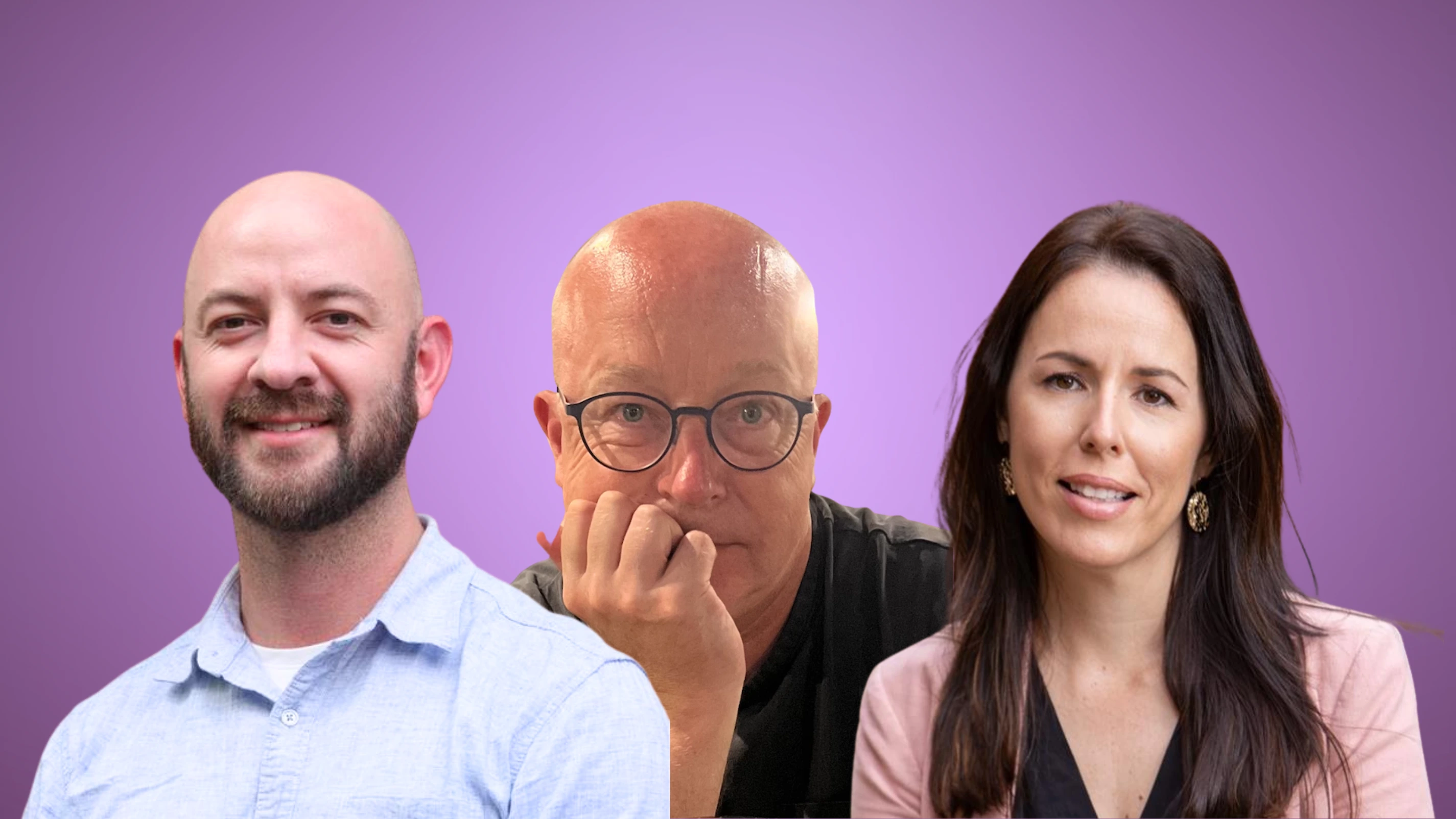
Amanda Paton, Simon Hackett, Eli Miller
Clinical and therapeutic responses to harmful sexual behaviours: Current developments from Australia
Workshop Abstract
Australia’s new National Clinical and Therapeutic Framework provides the first unified, evidence-informed national guidance for responding to children and young people who have displayed concerning or harmful sexual behaviours.
The Framework was developed through a structured, multi-stage process combining research evidence, practice wisdom, cultural knowledge, and extensive national consultation. Across four rounds of consultation, expertise was gathered from government and non-government services, clinicians, therapeutic specialists, educators, cultural advisors, Aboriginal and Torres Strait Islander leaders, young people’s service providers, specialist advisory groups, and jurisdictional representatives.
Round One engaged the sector through six consultation streams, service system, practice principles, therapeutic assessments, therapeutic responses, workforce capability, and culturally responsive practice, representing over 200 contributors and more than 120 pieces of data.
Round Two involved broader sector feedback on the first draft, including general content sessions and culturally focused workshops, supplemented by written submissions, jurisdictional feedback, and targeted deep-dive discussions.
Round Three centred on targeted stakeholder consultations, including small-group feedback sessions, detailed review of definitions, assessment domains, cultural considerations, developmental issues, gendered patterns, and therapeutic response requirements.
Round Four synthesised all findings, incorporating written feedback from multiple jurisdictions, validation from specialist advisory bodies, and member-checking processes to finalise the Framework’s structure, content, language, and implementation guidance.
Across all rounds, background papers, rapid literature reviews, comparative framework analyses, practice models, and draft materials were prepared to support informed consultation and iterative design.
The resulting Framework provides a nationally consistent structure encompassing:
• A tiered clinical and therapeutic service model;
• Evidence-informed practice principles;
• Core practice considerations;
• A comprehensive therapeutic assessment and case planning process;
• Guidance on therapeutic responses; and
• Nationally aligned workforce capability and supervision requirements.
This workshop will outline how the Framework was developed and demonstrate its practical application, highlighting how it strengthens national consistency, cultural responsiveness, developmental sensitivity, and safety for children and young people who have displayed concerning or harmful sexual behaviours.
About the Speakers
Amanda Paton is an executive leader and Clinical Psychologist with over 20 years’ experience working with child abuse and trauma. She is the Deputy Director, Practice for the Australian Centre for Child Protection at the University of South Australia, and the Program Director for the Graduate Certificate in Childhood Trauma.
She oversees the Solutions Project for Understanding and Responding to Harmful Sexual Behaviours and the Child Sexual Abuse Workforce Capacity Building projects for WA, including the research, development and implementation of evidence-based models and workforce development trainings for responding to child abuse, neglect, trauma and harmful sexual behaviours across the WA context.
Amanda is also the Co-Chief Investigator leading the development of the National Clinical and Therapeutic Framework Responding to Children and Young People who have Displayed Harmful Sexual Behaviours and was Chief Investigator developing the National Minimum Practice Standards for Specialist and Community Support Services Responding to Child Sexual Abuse. Amanda is Chair of the National Clinical Reference Group for Harmful Sexual Behaviours and is a member of the Care Plan Review Panel for WA Department of Communities.
Simon Hackett is Professor of Child Abuse and Neglect in the Centre for Research into Violence and Abuse at Durham University, UK. With over three decades of experience in the field, Simon has conducted extensive research and authored a wide range of publications on harmful sexual behaviors in childhood.
He is the primary author of the NSPCC’s operational framework for responding to children exhibiting harmful sexual behaviors and a co-author ofthe widely used AIM3 assessment model. Reports on this subject include expert reviews for the UK’s Independent Inquiry into Child Sexual Abuse and a 2024 evidence review that has informed the Council of Europe’s Committee of Experts on Violence against Children.
Additionally, Simon contributed significantly to the 2016 UK National Institute for Health and Care Excellence (NICE) Guidelines on Harmful Sexual Behaviour, representing the UK’s inaugural public health guidance on sexual abuse by children and young people. He is also widely known for his continuum model of sexual behaviour in childhood. Simon actively participates in various professional associations dedicated to preventing and responding to child sexual abuse.
He is incoming President of ATSA and past Chair of NOTA. In the UK, he is a member of the Advisory Board of the Centre of Expertise on Child Sexual Abuse.
Eli Miller is the Principal Practitioner for Sexual Violence at the Mallee Sexual Assault Unit (MSAU).
A member of the Association for the Treatment and Prevention of Sexual Abuse (ATSA) and the Australian Psychological Society (APS), Eli enhances sector-wide understanding of sexual violence through secondary consultation and reflective practice.
With qualifications from La Trobe University and the University of New England in Psychology, Eli’s career spans non-government adult community mental health and Child Protection, where he led a co-located Multi-Disciplinary Centre team specialising in sexual violence, sex offenders in contact with a child, and Therapeutic Treatment Orders for children using harmful sexual behaviour (HSB).
He now works directly with children engaging in HSB, using internationally recognised assessment models and therapeutic interventions, as well as contributing to multiple SASVic’s statewide committees reviewing statewide policy, research, and evaluation.