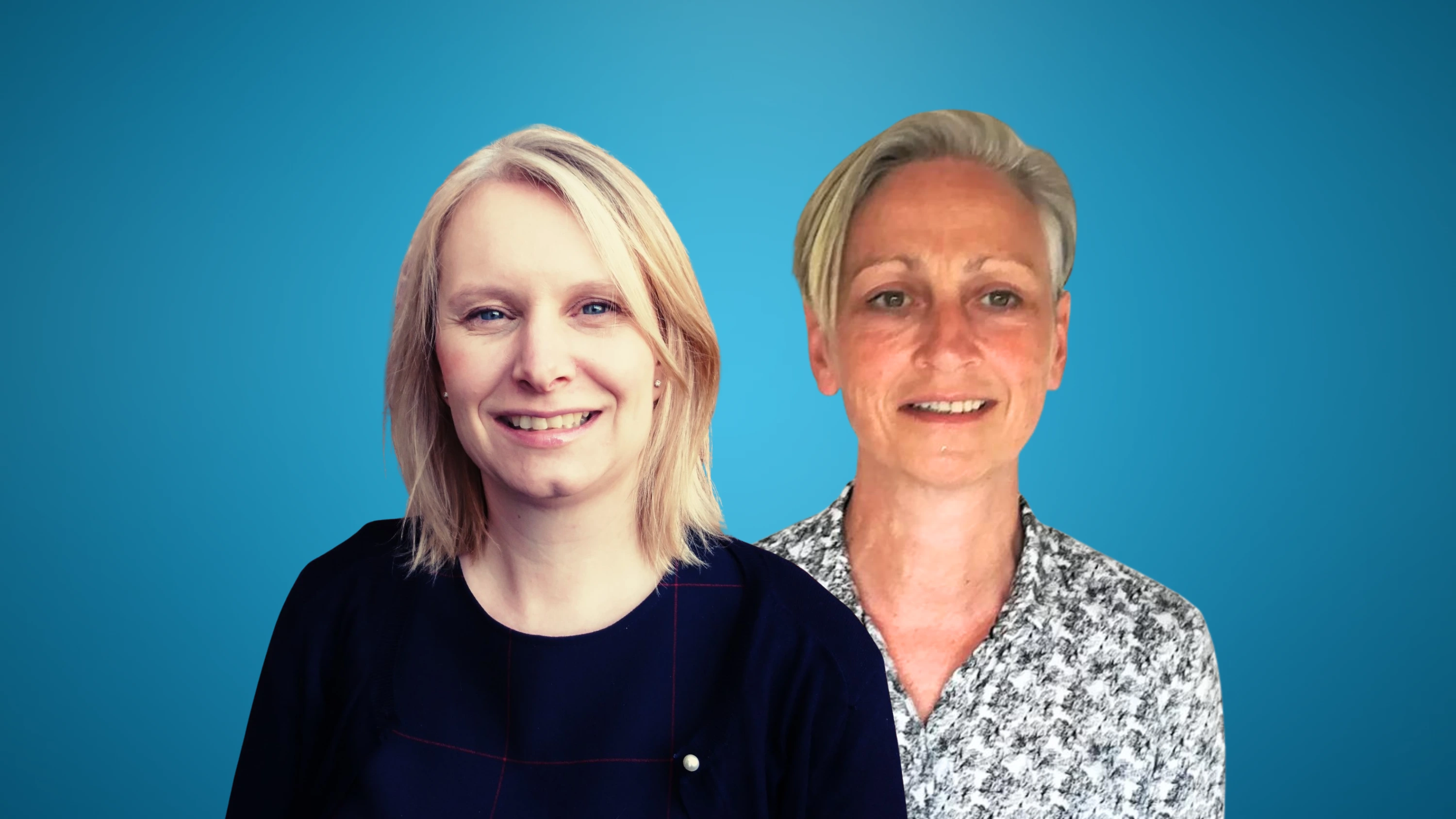
Emma Hodgson, Lorraine Myles
Improving our response: To better protect and respond to online child sexual abuse
Workshop Abstract
Like in many other countries, the UK police recorded a significant increase, with over 7,000 ‘sexual communication with a child’ offences in the year 2023/2024; an 89% increase since the offence first came into force in 2017/2018 (NSPCC).
This rapidly evolving landscape presents challenges for practitioners, which can expose children to further harm. Research, resources and policy have been slow to respond. This workshop aims to explore existing policy and practice and consider how we can develop a more effective response.
Technology assisted child sexual abuse has been positioned as separate and ‘other’ to the offline word, alongside this the narrative and language used to discuss the topic has resulted in a culture of victim blaming. Contributing to inappropriate and inadequate responses for children. Early messaging and reaction to the phenomena of technology assisted child sexual abuse was to view this as a victimless crime, but also a continuation of the detrimental narrative of stranger danger - purported to support keeping children safe in the 1980s and 1990s; this proved to be misleading and untrue.
Research and practice insights indicate the need to focus on the young person’s networks when considering technology assisted child sexual abuse. As highlighted by the CSA centre ‘Many adults who commit these offences are known to their victims as family members, friends, acquaintances or figures of authority’ (Brown 2023). We must think the unthinkable – if we want to protect children, we need to consider more thoughtfully who it is that is most likely to cause harm. We must also better equip ourselves with knowledge and skills to inform our response.
This workshop will include a presentation, interactive activities; including a case study and discussion, which will enable delegates to consider practice in a safe and supported environment.
About the Speakers
Emma Hodgson is a qualified Social Worker, Practice Educator and Practice Improvement Advisor for the Centre of expertise on child sexual abuse. Working for two decades in the field of children and young people who display harmful sexual behaviour and child sexual abuse recovery services.
She completed an MSc in forensic psychology, exploring Technology-Assisted Harmful Sexual Behaviour and the tools and resources available to be used by professionals working with young people, and is currently undertaking ESRC-funded doctoral research at Durham University, exploring the characteristics and pathways of young people who display online harmful sexual behaviour.
Lorraine Myles is a Practice Improvement Adviser at the Centre of expertise on child sexual abuse. A qualified teacher with almost 30 years’ experience across Key Stages 1–4, she began her career in mainstream education before moving into the special education sector, working extensively with children and young people affected by abuse and trauma.
Throughout her career, Lorraine has held roles as an education adviser, headteacher of a Local Authority virtual school for children in care, and headteacher of three special schools in the South-East. Her leadership experience spans day and residential settings, pupil referral units, and a secure school, all focused on supporting children with social, emotional, and mental health needs.
In her current role, Lorraine works to strengthen the education sector’s response to all forms of child sexual abuse. She supports improvements in knowledge and practice at individual, organisational, and systemic levels to ensure better prevention, recognition, and response.